Medical Charity Camps and the Languages Patients Speak
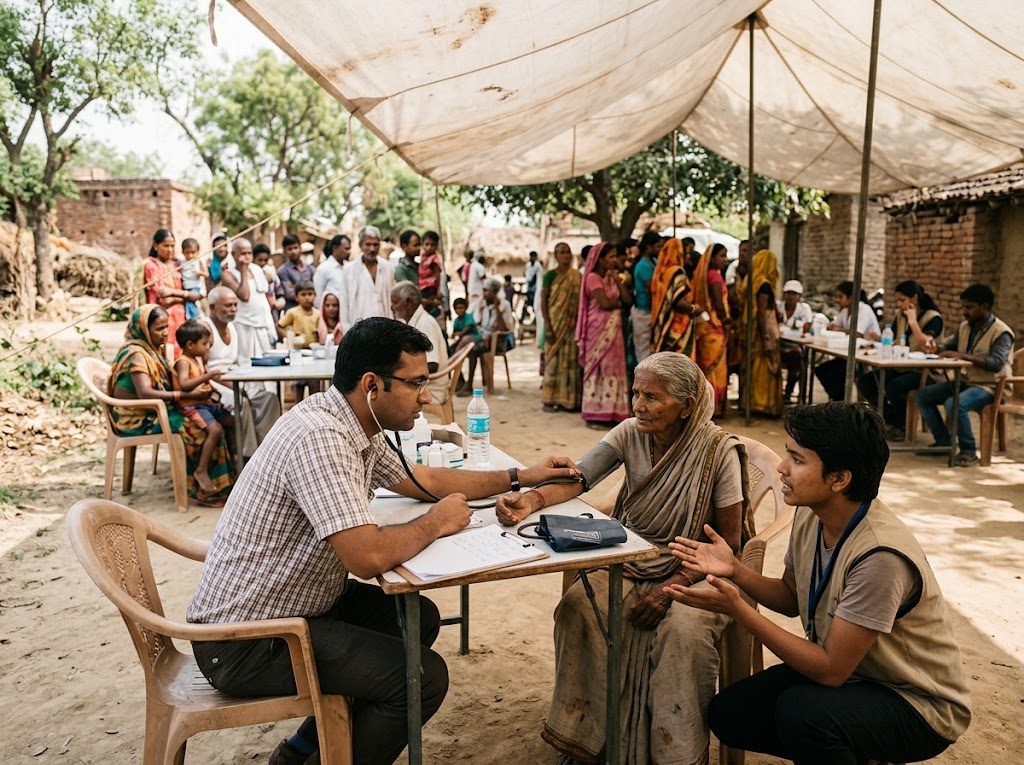
Free medical camps are one of the most visible forms of charitable healthcare. In rural Pakistan, northern India and in poorer neighbourhoods of large cities, volunteers set up tents for a weekend, examine hundreds of patients, distribute medicines and refer serious cases to hospitals. Diaspora charities in the UK, Canada and the Gulf fund many of these efforts.
Doctors bring skills and supplies, but one resource is often underestimated. Without clear communication in the patient’s own language, even the best medical care can miss its target.
Why language matters in a clinic
A diagnosis starts with a conversation. Patients describe symptoms, duration, past illnesses and medicines they already take. If the doctor and patient do not share a language, details are lost. Pain described as burning may be recorded as aching, a cough lasting months may be noted as recent.
Instructions after the consultation are just as important. Dosage, timing, food restrictions and warning signs must be understood. A patient who takes a medicine twice a day instead of twice a week can be harmed by the very help they received.
The linguistic reality of Pakistan
Urdu is the national language of Pakistan and widely understood in cities. Yet millions of people speak Punjabi, Sindhi, Pashto, Saraiki or Balochi at home, and some older rural patients have limited Urdu. Volunteer doctors from abroad may speak English and some Urdu, but rarely the regional languages.
PoliLingua’s overview of the languages of Pakistan shows how diverse the country is and why a single language strategy rarely works for health campaigns.
Volunteers as interpreters
Many camps rely on bilingual volunteers, often medical students or community members, to interpret. They are invaluable, but they are not trained interpreters. They may summarise instead of translating fully, add their own opinions or feel uncomfortable with sensitive topics such as reproductive health.
Simple briefings help. Volunteers should be told to translate everything, to avoid giving medical advice themselves and to ask the doctor when a term is unclear. A short glossary of common symptoms and instructions improves consistency across the camp.
Written materials in the right language
Leaflets on hygiene, diabetes, maternal health or vaccination are common at medical camps. They are useful only if patients can read them. Materials should be written in plain Urdu or the relevant regional language, with pictures for people who cannot read.
Charities that prepare materials in the UK often write them in English first. Working with a qualified Urdu translator who understands medical vocabulary ensures that the final text is accurate, culturally appropriate and easy to read.
Records and referrals
Patients referred to hospitals carry notes from the camp. If these notes are written in English shorthand, the receiving doctor may understand them, but the patient and family will not. Bilingual referral slips, with key information in Urdu, help patients explain their situation and follow up correctly.
Back in donor countries, charities also report results to funders. Patient stories, consent forms and feedback collected in Urdu must be translated faithfully into English for reports and audits.
Lessons from humanitarian medicine
International organisations such as Médecins Sans Frontières have long emphasised the role of local staff and cultural mediators in delivering care. Their experience shows that trust grows when patients are addressed in their language by people who understand their customs.
Small charities can apply the same principle on a modest scale. Recruiting local health workers, training volunteer interpreters and testing materials with community members before printing all improve outcomes.
Diaspora communities at home
The language challenge is not limited to camps abroad. In British cities, older members of Pakistani and Kashmiri communities may struggle with English at GP surgeries and hospitals. Charities that run health days in mosques and community centres often face the same needs as camps in Pakistan.
Here, professional interpreters and translated health information help bridge the gap between patients and the formal health system, particularly for chronic conditions that require long-term management.
Consent and dignity
Medical ethics require that patients agree to examinations and treatment with full understanding. At busy camps, consent is sometimes reduced to a nod. Short consent forms in Urdu, read aloud for those who cannot read, protect both patients and volunteers. They also show respect, which encourages people to return for follow-up care.
Women patients in conservative areas may prefer to speak with a female doctor or interpreter. Planning for this in advance, and making it known in local languages before the camp opens, increases attendance among women who might otherwise stay at home.
Planning the next camp
Map the languages spoken in the target area. Recruit and brief interpreters. Translate leaflets, consent forms and referral slips before the event. Keep a feedback channel open so patients can report problems in their own language.
Medicine heals, but language makes healing possible. Charities that invest in communication give their volunteers the best chance of turning one weekend of care into lasting health improvements.